The Thread
The week's most telling technology stories are not about new products. They are about the maintenance burden underneath products people already own. A Windows backup feature breaks after a security update, an emulator team outperforms a graphics driver by working around its bug, a data platform sells customers a way to throw away data before storing it, and two Android wallets are compared on features most users never inspect. The common thread is that the value and the vulnerability of modern software both live in dependencies that end users never chose and rarely see.
Patches That Break the Promise of Patches
Microsoft's warning, reported by BleepingComputer, that September 2026 security updates may stop the built-in File History backup feature from working on some Windows systems is a small event with a large implication. File History is exactly the kind of feature that exists so that a bad day does not become a catastrophe. When a routine security update disables it, the update itself becomes a source of risk.
This is not an argument against patching. It is an argument about what security updates are assumed to guarantee. Enterprises and consumers install them on a schedule, often automatically, on the reasonable assumption that the trade is straightforward: some inconvenience, more safety. When a bundled backup tool stops working, the trade becomes ambiguous. The user who needed File History discovers the problem at the worst possible moment, and the fact that the failure arrived through the channel meant to protect them is precisely what makes it corrosive.
For US technology companies, the practical consequence is support cost and trust. Microsoft's installed base is enormous and its update cadence is relentless. Every regression in a consumer-facing feature generates downstream work for IT departments at US businesses, which must decide whether to defer updates and accept exposure or deploy them and accept breakage. That is a genuine operational trade-off, and it is being made monthly.
When the Workaround Beats the Platform
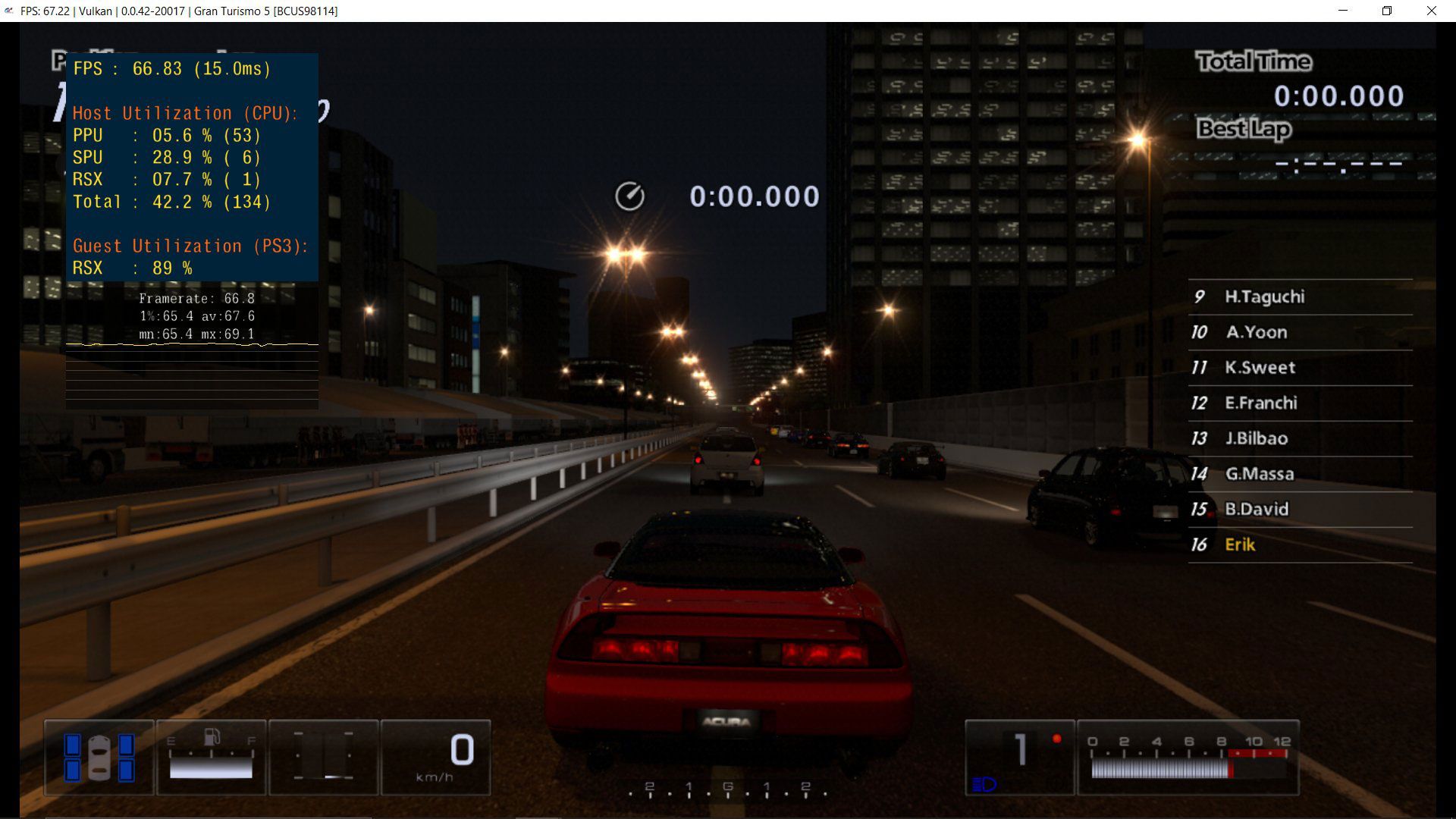
A sharper version of the same dependency problem appears in the RPCS3 story from Tom's Hardware. Developers of the PlayStation 3 emulator found a workaround for an Nvidia driver bug and reported performance gains of up to 37%, while reaching out to Nvidia about the underlying issue.
Read that carefully. A small open-source team, working on software that runs other software, extracted a large performance improvement not by rewriting its own engine but by routing around a defect in a vendor's driver. The ceiling on the emulator's performance was being set by a component the emulator's authors do not control and did not write.
This is the normal condition of modern computing, and it is worth stating plainly because it is usually invisible. Application performance, and sometimes application correctness, is determined by layers below the application. When those layers misbehave, the fix is often defensive and local rather than systemic. The workaround ships; the bug persists for everyone else who touches the same path.
The US angle here is competitive as much as technical. A large share of the world's graphics driver development sits with American chip designers, and a large share of the world's emulation and open-source tooling community is distributed globally but depends on those drivers. When a workaround outperforms the official path, it is a quiet signal about where engineering attention is and is not being spent.
Selling the Right to Collect Less
Sumo Logic's expansion of its Data Pipelines service, reported by SiliconANGLE, points at a different kind of dependency: the cost of telemetry. The company's pitch is that customers can cut and reroute data before any of it is ingested and stored, with the controls living inside Sumo Logic's own platform rather than in a separate tool.
That framing is revealing. The problem being solved is not a lack of data. It is an excess of it, and the bill that comes with it. Security and operations teams, per the same report, are collecting more telemetry than ever. The vendor's answer is to let them discard and redirect that telemetry earlier in the pipeline.
For US enterprises, this is a familiar squeeze expressed in a new place. Observability and security spending has grown alongside the volume of logs, metrics, and traces that modern systems emit by default. Much of that data is generated because generating it is cheap and retained because retaining it is the path of least resistance. Tools that make deletion and routing a first-class decision, rather than an afterthought, are effectively monetizing restraint.