Apple's position in the devices it has long dominated is being tested from three directions at once - new competition, rising prices, and regulators and repair advocates who are slowly prying open its hardware. That is the thread running through four stories logged this week: Google's first laptop, an unflattering Mac mini review, a look at Apple's succession planning, and a repairability score for the iPhone 18 Pro.
Googlebooks Arrives, And It's About the Phone
As Engadget reported, Google's pitch for its first Googlebooks is that the laptop works better with an Android phone. The first units are up for pre-order today and arrive on October 4. That framing matters more than any specification. Google is not selling a laptop on the strength of its own hardware; it is selling a companion device whose value increases with the phone already in a user's pocket.
For US consumers, that is a meaningful shift. The pitch assumes the phone is the center of the computing universe and the laptop is an accessory to it. If enough people buy that argument, Apple faces a category it has effectively owned for years - premium portable computing - being attacked not on silicon or screen quality but on ecosystem gravity. Apple's answer has historically been its own tight coupling between Mac and iPhone. Google's move suggests it believes that coupling is no longer unassailable, and that it can offer a similar-feeling relationship from the Android side.
The Mac Mini Loses Its Bargain Status
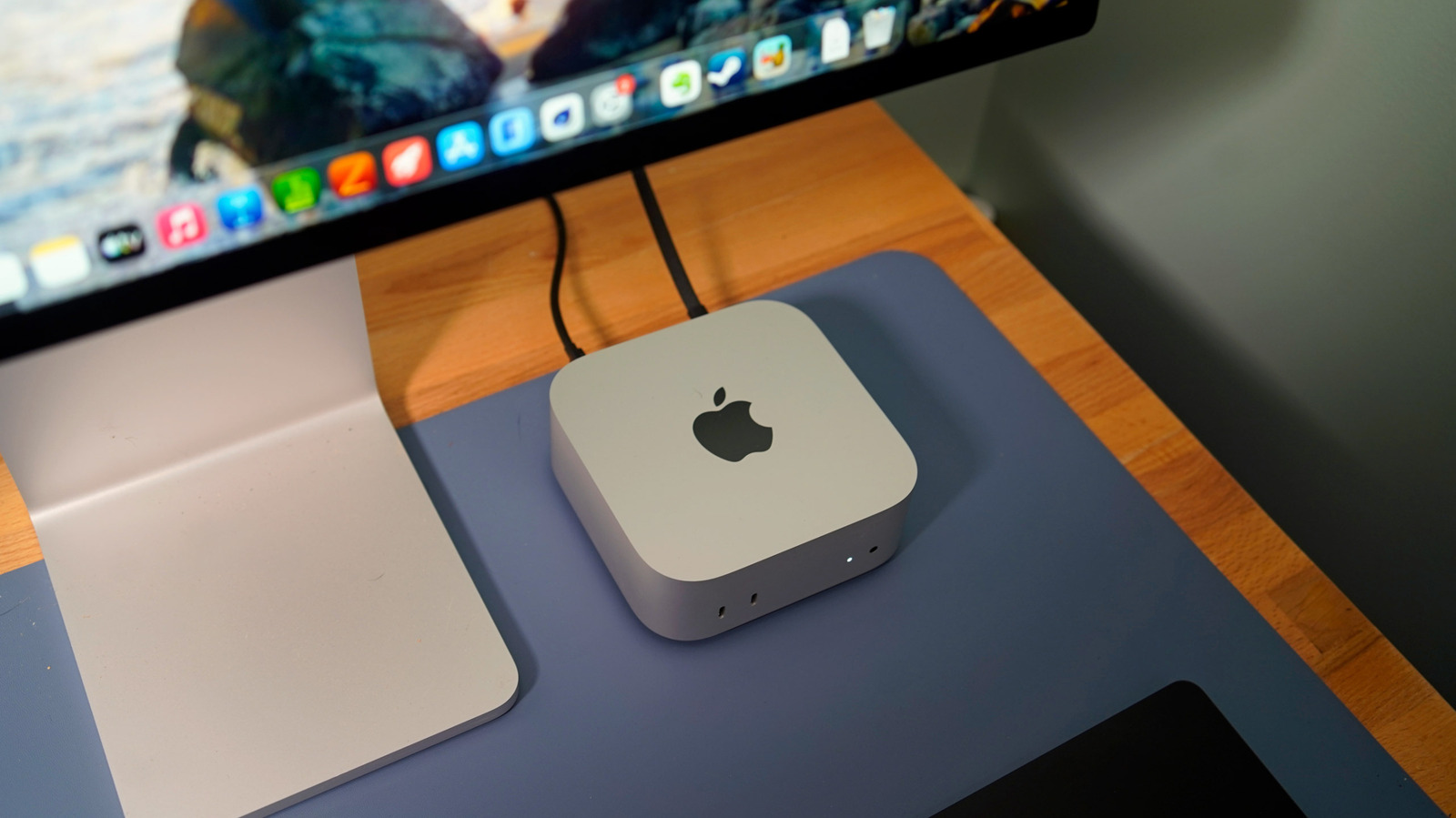
The second signal is quieter but more concrete. Engadget's review of the M6 Mac mini concludes that at $899, the best compact desktop is no longer a great deal and has lost the fun factor of previous models. That is a verdict about positioning, not performance. The Mac mini's historical appeal in the US has been as the cheapest way into the Mac ecosystem - the machine that let a household add a desktop without committing to a four-figure purchase.
At $899, that argument weakens. It also sits awkwardly against the arrival of Googlebooks. If an Apple-curious buyer can spend less on a laptop that pairs well with the phone they already own, the value calculation changes. Apple, of course, does not have to compete on price; it has spent years proving that. But the Mac mini review is a reminder that the company's premium pricing strategy depends on buyers perceiving a gap in quality or integration large enough to justify the difference. When reviewers start writing that the bargain is gone, that perception is under strain.
The Succession Question Behind the Product Cycle
The Verge's interview with Mark Gurman, described as the world's best-sourced Apple reporter, is titled around whether John Ternus can find Apple's next big thing. The piece notes that Apple's annual iPhone hardware event took place earlier this month, and that virtually every detail of it was reported ahead of time by Gurman. That detail is easy to skip past, but it is the most revealing part of the story.
The fact that a hardware event can be fully reported in advance suggests Apple's product cadence has become predictable. Predictability is not inherently bad - it signals a mature, reliable product line. But it is not the same as momentum. The Verge's framing puts the question directly: whether the executive who leads hardware can produce a category that genuinely surprises again. For US technology companies watching Apple, the question is whether the company that defined the smartphone era has another platform-defining product in it, or whether it will spend the next several years defending its existing ones.