The three items on this beat share one thread: platform maintenance has turned toward subtraction. Microsoft is making Windows 11 settings reachable straight from search and adding a checkbox to silence the Sticky Keys pop-up, while Google has raised Android Auto's floor to Android 11. None of these is a feature launch in the usual sense. Each removes a small piece of friction or ambiguity that users have lived with for years, and each is a reminder that the operating system business in the US is now largely a business of polish.
Small Fixes, Long Deferred
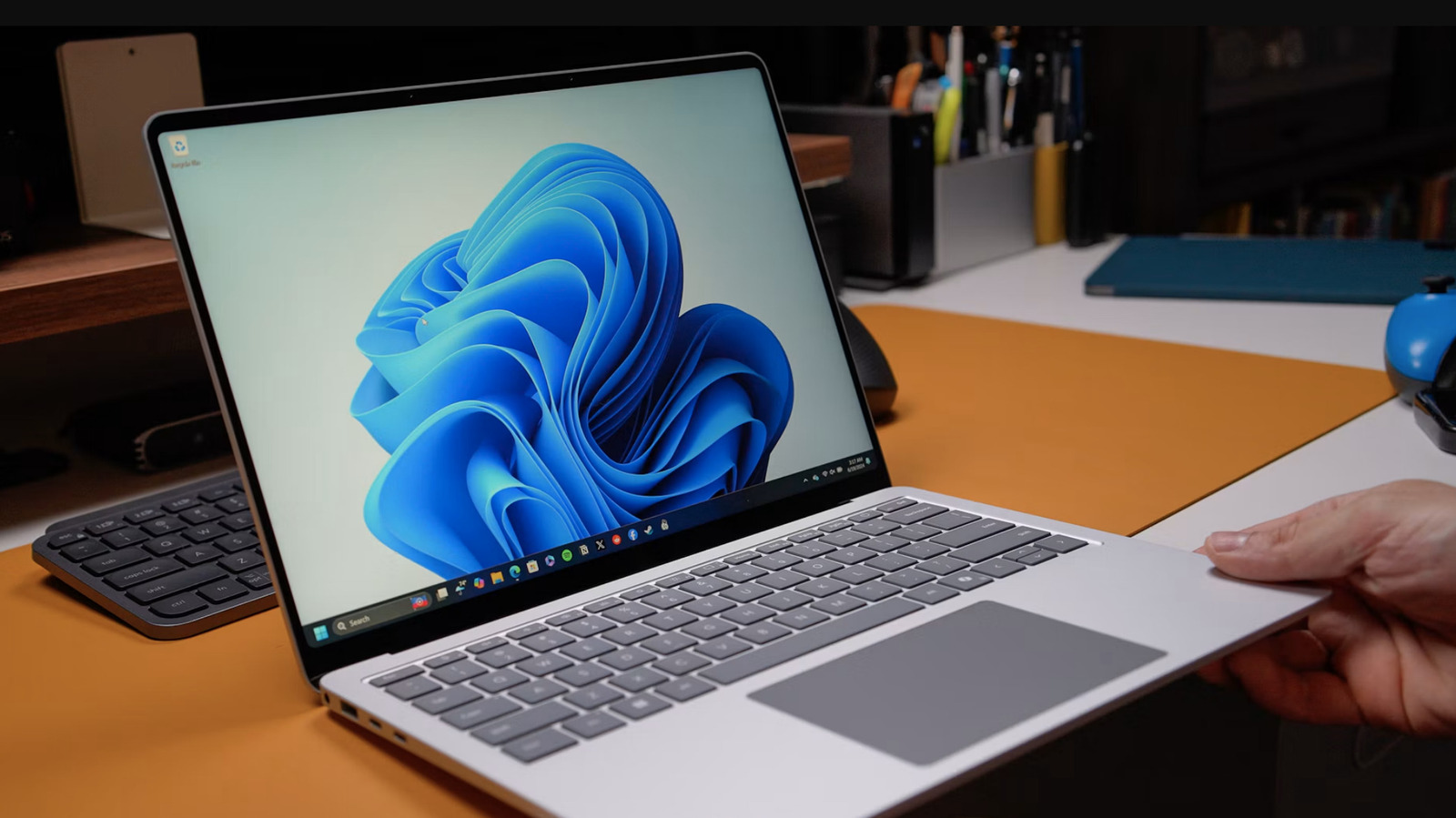
ZDNET reports that the latest Windows 11 Insiders Preview enhances Search so that specific settings can be accessed directly from a search window. Engadget reports that Windows 11 is finally adding an easier way to disable the Sticky Keys pop-up, via a checkbox that simply turns it off. Read together, these are not marquee changes. They are the kind of fixes that arrive years after the complaint first appeared, and they matter precisely because they are unglamorous. A user who wants to change a setting or stop an accessibility shortcut from interrupting a task is not looking for a new capability. That user is looking for the platform to get out of the way.
That is the pattern worth naming. The most consequential OS work in this cycle is not about what the system can do that it could not do before. It is about how quickly the system stops doing things the user did not ask for.
The Search Box as the Settings Menu
The Windows search change is the clearest example. Settings have multiplied across Windows 11, and the path to any one of them has become a small navigation exercise. Surfacing specific settings directly in search results, as ZDNET describes in the Insiders Preview, treats the search box as the primary interface rather than as a document finder. For US consumers, the practical effect is measured in seconds per task, which sounds trivial until it is multiplied across a installed base that touches Windows daily at work and at home. For US technology companies, it is a competitive signal: the platform that hides its own complexity best is the one that keeps users from looking elsewhere. Microsoft is not adding a feature here so much as conceding that the settings architecture had become a cost.
Sticky Keys and the Cost of Interruption
The Sticky Keys change is smaller and, in some ways, more telling. Engadget reports that Windows 11 is adding a checkbox that simply turns off the pop-up. Sticky Keys exists for a good reason, and the pop-up exists to explain it. But for the many users who trigger it accidentally, the pop-up is pure interruption, and the existing off switch has been hard to find. A checkbox is about as modest as software changes get. It is also the kind of change that only gets made when a platform team decides that user annoyance is a bug worth filing. US consumers benefit directly; enterprises benefit indirectly, because fewer support tickets about an accessibility prompt is a real if unmeasured saving.