Wearables Get Smarter While Staying Out of Your Way
Article

Wearables Get Smarter While Staying Out of Your Way

The latest wearable updates show a pattern: features that work quietly in the background, leaving users to manage less while trusting more.

JaysuryaNovember 10, 20264 min read

Photo: Engadget

The latest wearable news reveals a consistent pattern: companies are building features that operate quietly in the background, asking users to manage less while placing more trust in the device. From silent firmware updates to conversation-recording features on the Apple Watch, the direction is clear. Wearables are becoming more autonomous, and the user experience is shifting from active control to passive acceptance.

The Invisible Update Problem

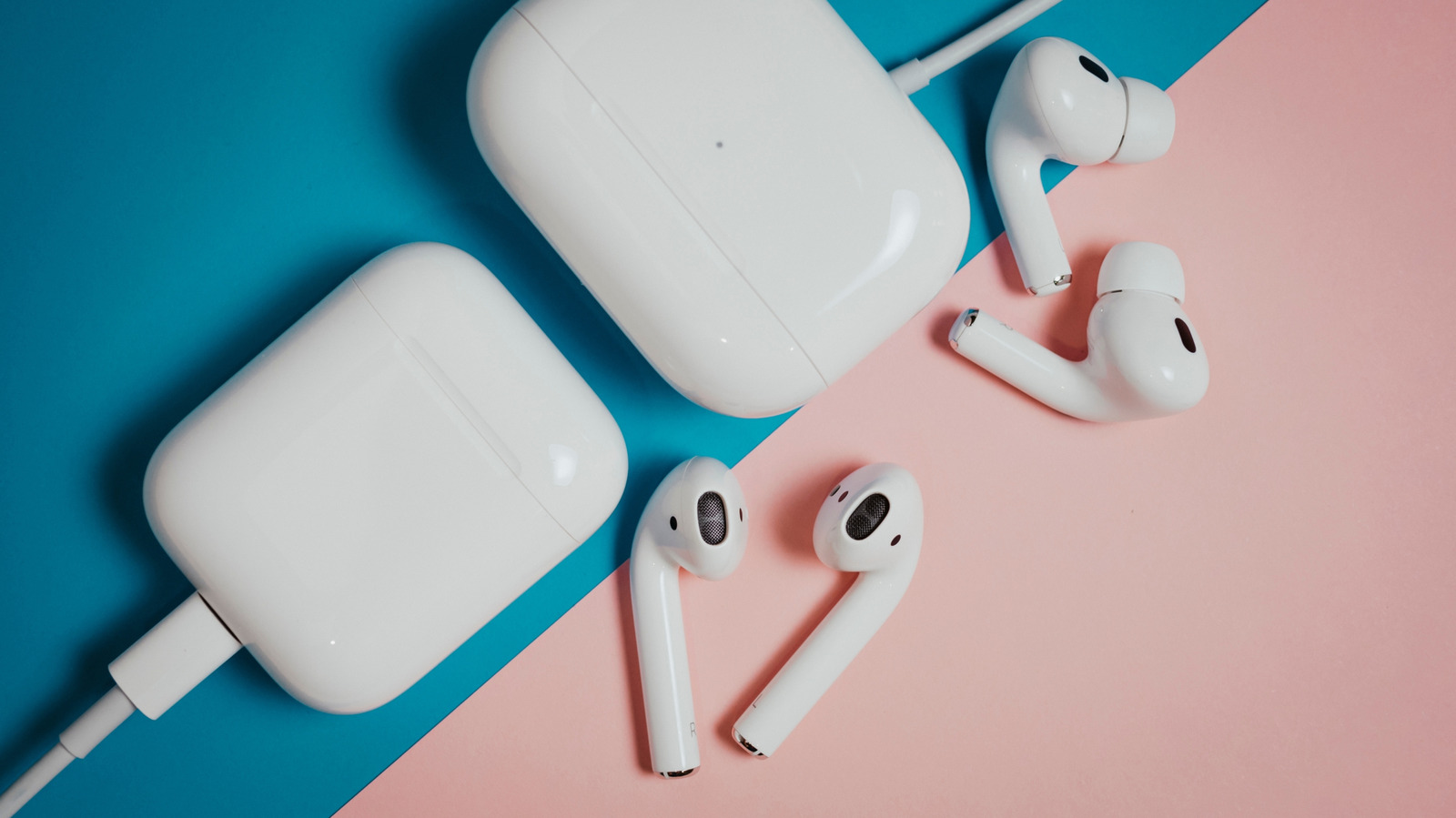
AirPods firmware updates arrive without warning, as Engadget notes in its guide to updating them. Unlike an iPhone, which prompts the user to install new software, AirPods update silently. The article explains that users can prep their earbuds for a smoother update experience, but the underlying reality is that the update process is largely out of the user's hands. This is convenient, but it also means users rarely know what changed or when. For US consumers, the appeal is obvious: no interruptions, no decisions. But the trade-off is a lack of visibility into the software running on a device that sits in their ears for hours a day. The Engadget piece frames this as a simple how-to, but it also highlights a broader trend in wearables: the most important software changes are the ones you never see.

Siri Listens More Closely

CNET reports that two controversial new features arriving in beta this week will let the Apple Watch rewind and recap conversations. Siri is getting ears on the Apple Watch, and the privacy implications are significant. The feature set, still in beta, allows the watch to capture and review spoken interactions. For US consumers, this raises questions about consent and data handling. The Apple Watch is already a device that tracks health and location; adding conversation recap expands its role into ambient listening. CNET's framing as "controversial" is apt. The pattern here is not just about new capabilities but about how comfortably users accept them. The features are arriving quietly, in beta, with limited fanfare. That mirrors the AirPods update model: introduce functionality that works in the background, and let users adapt.

The Best Earbuds Are the Ones You Forget About

Wired's roundup of the best wireless earbuds in 2026, based on testing over a hundred options, highlights picks from Apple, Bose, and Beats. The article's premise is personal recommendation, but the underlying message is that the best earbuds are the ones that disappear into daily use. The top picks are not defined by flashy features but by reliability and fit. This aligns with the broader pattern: wearables succeed when they require little active management. The Wired piece does not dwell on software updates or privacy, but its emphasis on seamless experience reinforces the same thread. US consumers want devices that work without fuss, and the market rewards that.

The US Market Wants Less Friction

For US technology companies, the pattern has strategic implications. Apple, Bose, and Beats are all competing on ease of use, and the latest updates show that the winning approach is to reduce user involvement. Silent firmware updates, beta features that run in the background, and earbuds that need little tuning all point to a market where friction is the enemy. But this also creates a tension: the more wearable devices do on their own, the harder it is for users to audit what they are doing. US regulators have shown interest in data privacy, and conversation-recording features on a watch could draw scrutiny. Companies that get ahead of this by being transparent about what runs in the background may earn more trust. Those that stay silent risk backlash when users notice.

Privacy Becomes a Background Issue

The CNET report on Siri's new ears is the most direct signal of the privacy challenge. Rewind and recap features on the Apple Watch mean the device is processing more ambient audio. Even if the processing is on-device, the perception matters. US consumers are increasingly aware of how their data is used, and a watch that listens for recaps could feel intrusive. The beta label gives Apple room to iterate, but it also means the features are entering real-world use before full scrutiny. The pattern across all three stories is that wearables are moving toward ambient intelligence: always on, always learning, always updating. The user is expected to trust the process. That trust is not automatic, and the companies that succeed will be the ones that make the invisible visible when it matters.

What to Watch

The stories above suggest several things to monitor. First, how Apple communicates changes to AirPods firmware, as Engadget's guide implies users currently have little insight. Second, the rollout of the Apple Watch conversation features beyond beta, and whether privacy concerns raised by CNET lead to adjustments. Third, whether Wired's top picks shift as background features become a bigger part of the buying decision. For US consumers, the question is whether convenience outweighs the loss of control. For US companies, the challenge is to deliver seamless experiences without eroding trust. The pattern is clear: wearables are getting smarter by staying out of the way. The risk is that they also stay out of sight.

More on this beat: Gadgets on TechManNews.

#wearables#privacy#Apple Watch#AirPods#earbuds#US market

Newsletter

Get Tech News in Your Inbox

The latest AI, gadgets, software and startup stories from TechManNews, delivered every morning - free.