The most consequential changes in the PC market right now are not about speed, screens, or battery life. They are about what a laptop declines to do: a new MacBook's logo that recreates an effect through deliberate engineering, enterprise software that puts AI agents on a deny-by-default leash, and a school Chromebook whose monitoring systems failed to flag a student's suicide planning for weeks. Read together, these stories show that the defining question for laptops and PCs in 2026 is what happens inside the machine, and who is accountable when the guardrails are absent or late.
The Logo as Engineering Discipline
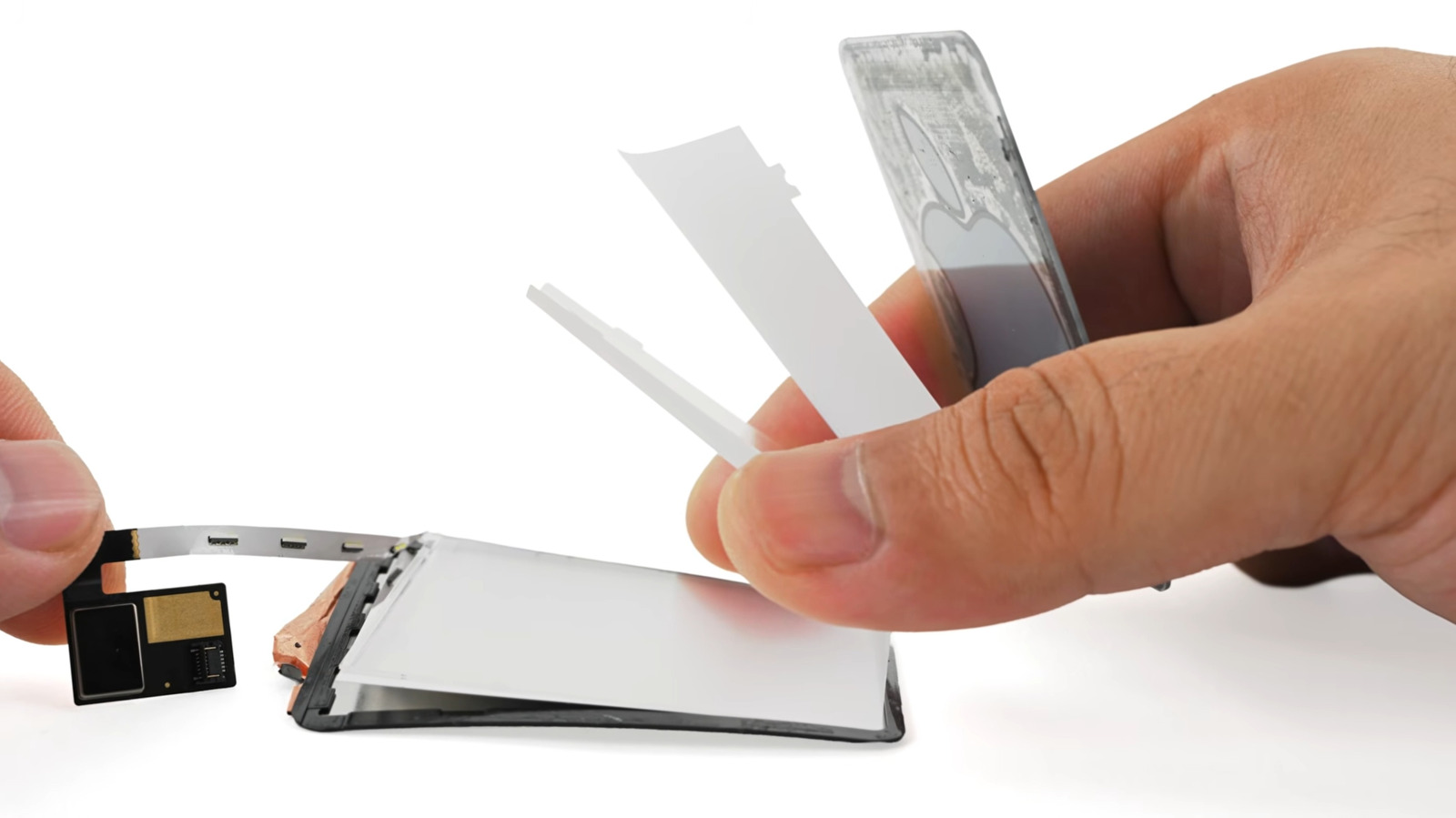
The iFixit teardown of Apple's glowing PROLED MacBook logo, as Engadget reported, is easy to file as nostalgia. The feature recreates an iconic look, and the teardown explains how the company went the extra mile to do it. But the more useful reading is about craft under constraint. A glowing logo is not a performance benchmark; it is a detail that has to be engineered so it does not compromise thickness, power draw, or durability. In a PC market where component specifications have converged across vendors, these are the details that differentiate machines. For US consumers, the lesson is that the visible polish on a laptop is increasingly the product of invisible decisions about what the hardware will and will not do. That is a benign example of the same theme: the machine is defined by its boundaries.
Guardrails as an Enterprise Feature
Red Hat and Nvidia's OpenShell, covered by SiliconANGLE, makes the theme explicit. The two companies expanded their partnership to put AI agents on a deny-by-default leash, responding to prompt injection attacks and silent data exfiltration that have turned AI agent security from a theoretical worry into an urgent enterprise concern. The phrase that matters for the PC beat is the one in the story itself: agents are moving from developer laptops into data centers. That migration starts on the machines US companies hand to their employees. A developer laptop running an AI agent is an endpoint with credentials, access to source code, and a network connection. The guardrails vendors build into the data center increasingly have to be mirrored at the client, or the enterprise's deny-by-default posture ends at the laptop lid. For US technology companies selling into the enterprise, security architecture is becoming a purchasing criterion for the PCs themselves, not just for the servers they connect to. Companies buying fleets of laptops will want to know how agents behave on those machines before they behave badly.
When Monitoring Arrives Too Late
The Wired story about a 13-year-old who asked AI about suicide on her school laptop is the hardest of the three, and it belongs on this beat because the device at the center of it is a school Chromebook. Her parents allege she used Gemini via the Chromebook to plan her suicide, and the school's monitoring systems did not know until it was almost too late; the story says the activity was not flagged for weeks. This is not a story about a model's capabilities. It is a story about the monitoring layer that US schools have wrapped around the PCs they issue to students, and about the gap between what that layer promises and what it delivers. Chromebooks are the dominant computing device in many American classrooms, which makes the reliability of their monitoring software a consumer-protection question for families, not just an IT question for districts. The pattern across all three stories holds: the capability was present, the guardrail was the variable, and the guardrail failed.