AI Hardware Splinters, and the Data Layer Moves Center

Photo: Engadget

Article

AI Hardware Splinters, and the Data Layer Moves Center

ManishankarNovember 21, 20264 min read

Three recent stories point the same direction: AI hardware is dispersing, and the choice of where a GPU sits now determines who wins.

AI hardware is no longer organized around a few enormous facilities. Across three stories logged on this beat, the same pattern appears from opposite ends of the market: compute is dispersing, and the layer that decides whether that dispersed compute pays off is no longer the chip itself.

The Bet Against Centralization

The clearest statement of the shift comes from SiliconANGLE, which reports that inference is moving to the center of enterprise AI spending and that the architecture behind AI is moving from a handful of massive facilities toward a distributed web of smaller sites. The stated drivers are concrete: GPU costs are climbing and component shortages persist. That is not a temporary squeeze. It is a cost structure that penalizes concentrating everything in one place, and enterprises are responding by spreading inference workloads outward.

Inference Changes the Economics

Inference is a different business from training, and that difference explains why dispersion is happening now rather than earlier. Training rewards scale and tolerates centralization because the work is episodic and can be scheduled around the availability of large clusters. Inference is continuous and closer to the user, and it runs on the same scarce hardware. When GPU costs climb and parts are hard to get, the rational move is to place smaller amounts of compute nearer to where requests originate rather than queue everything through one facility. SiliconANGLE frames the data layer as the deciding factor in whether those distributed investments pay off, which is the important claim: once compute is scattered, the hard problem stops being raw throughput and becomes moving, governing, and serving data across many small sites.

The Client Side Mirrors the Trend

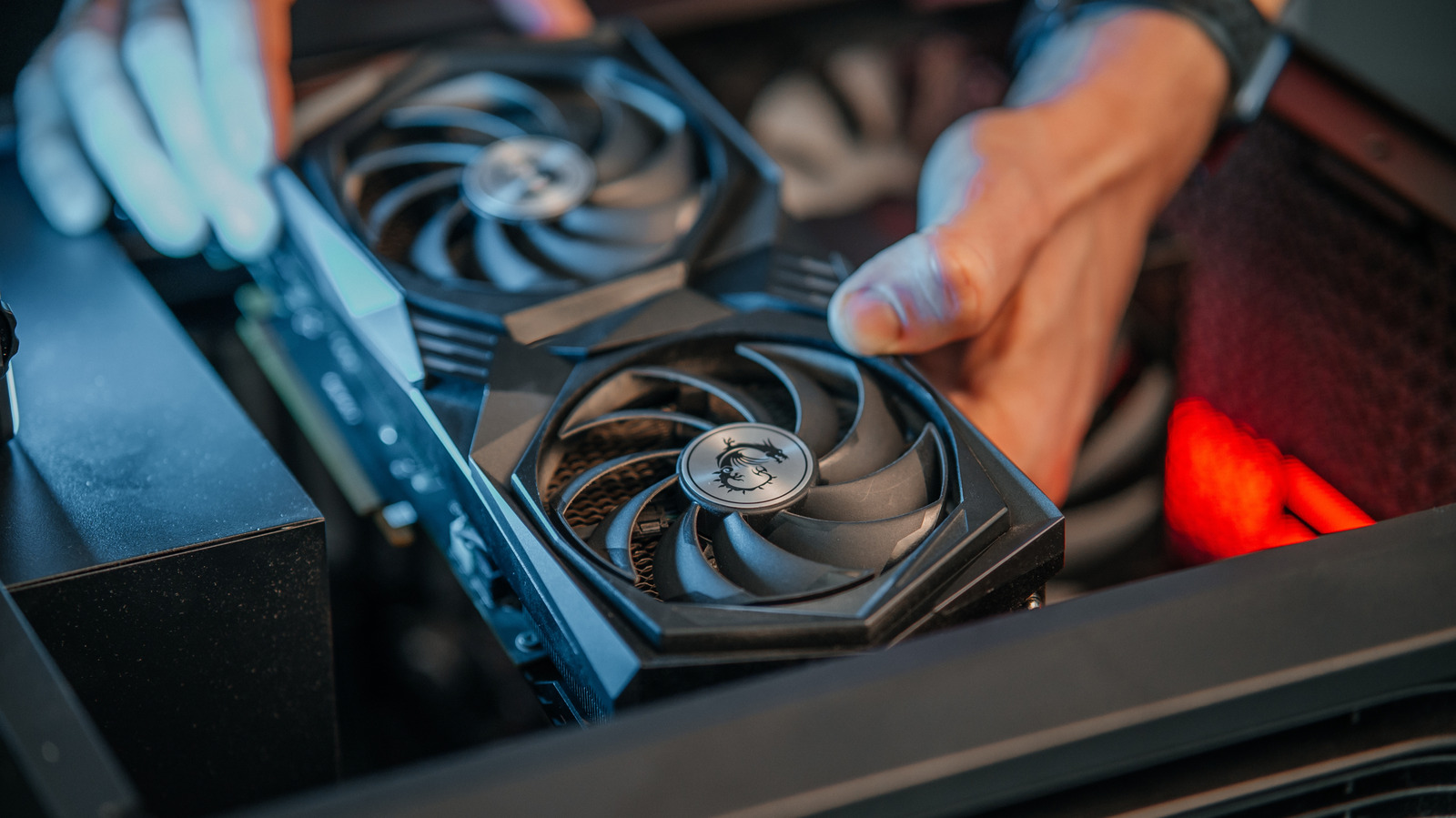
A mundane consumer story shows the same dispersal at the smallest possible scale. Engadget notes that a laptop may be running two graphics processors without the owner knowing it, and points readers to built-in Windows tools that reveal what is actually powering their games. The parallel is exact in shape if not in size: compute is no longer a single obvious thing. The user has to be told how to find out where the work is running. As inference spreads across a web of smaller sites, enterprises face the same question consumers face on their own machines, only with more zeros attached.

Efficiency Is the Shared Language

The third story is where the pattern gets uncomfortable. Wired reports that Henrijs Dandzbergs dropped out of high school to join startup accelerator Y Combinator and founded an AI missile startup, and that he is explicitly targeting "cost per kill" to make killing as efficient as possible for the US and its military allies. The setting differs entirely from an enterprise data center, but the logic is identical to the inference story: the scarce resource is expensive compute, and the organizing principle is efficiency per unit of work delivered. That is worth stating plainly, because it cuts against the comfortable assumption that distributed AI hardware is a purely commercial story. The same economics that push inference toward smaller sites also push defense applications toward optimizing cost per outcome.

What This Means in the US

For US technology companies, the strategic center of gravity is moving away from whoever holds the largest cluster and toward whoever can make many small sites behave like one system. SiliconANGLE's framing puts the data layer at the center of that problem, which suggests the durable advantage sits with firms that can move and govern data across distributed inference sites, not with firms that simply accumulate GPUs. GPU cost and component shortages are the constraints shaping the architecture, and those constraints show no sign of easing in the reporting above.

For the US market, dispersion has a second-order effect worth watching. If inference spreads to smaller sites, the buyers of AI hardware become more numerous and less concentrated, which changes procurement, support, and power planning. It also raises the value of software that makes heterogeneous, scattered hardware legible, which is precisely the problem the Engadget piece solves at consumer scale with Windows' own inspection tools.

For US consumers, the Engadget story is the practical face of all this. Dual-GPU laptops are already common enough that owners may not know what is running their games. As AI features are pushed into more local devices, that ignorance becomes a support and performance problem, and the tools that reveal what is powering a workload become part of the product experience rather than a diagnostic curiosity.

The Defense Case Is the Hard One

The Wired story deserves separate treatment because it tests whether this analysis holds under pressure. A Y Combinator-backed missile startup optimizing cost per kill is not an enterprise inference deployment, and it would be a mistake to fold it into a clean narrative about data layers. What it shares with the other two stories is the underlying discipline: when compute is scarce and expensive, the design question becomes efficiency per delivered result. That the same discipline now shapes a high-school-dropout-founded defense startup and a distributed enterprise inference architecture is the pattern. Whether the US and its allies should welcome that efficiency is a policy question this beat cannot settle, but it should not be left out of the hardware story simply because it is uncomfortable.

What to Watch

Three things follow directly from the reporting above. First, watch whether the cost and shortage pressures SiliconANGLE cites persist, because they are the stated reason inference is dispersing; if they ease, the architecture could consolidate again. Second, watch the data layer, which SiliconANGLE identifies as the deciding factor for distributed inference, and treat it as the real competitive battleground rather than GPU counts. Third, watch how quickly dual-GPU and multi-processor machines become normal on the client side, as Engadget's Windows guidance suggests, because consumer confusion about which processor is running a workload is a leading indicator of the same problem enterprises will face across many small sites. The Wired story is the reminder that efficiency logic, once adopted, spreads to applications well beyond the data center.

More on this beat: Hardware on TechManNews.

#GPUs#AI inference#data infrastructure#edge computing#defense technology#Windows hardware

Newsletter

Get Tech News in Your Inbox

The latest AI, gadgets, software and startup stories from TechManNews, delivered every morning - free.