OpenAI has ended its partnership with Cursor, the AI coding startup recently acquired by Elon Musk’s SpaceX in a $60 billion deal, according to a late-night blog post from OpenAI last Friday. The company cited an inability to trust Musk as the reason for severing ties. Cursor had been one of OpenAI’s top five customers by revenue at the start of 2026, and by spring of that year, OpenAI projected the partnership would generate more than $1 billion in annualized revenue. OpenAI declined to comment on the financial impact, while SpaceX and Cursor representatives did not respond to requests for comment.
The decision comes as OpenAI prepares for a public offering next year and seeks to present a more stable business to investors, reportedly now generating over $40 billion in annualized revenue from subscriptions, ChatGPT ads, and sales of its Codex AI coding tool. While losing Cursor may no longer be a major financial blow, OpenAI acknowledged in its blog post that cutting off a key distribution channel could damage its standing with developers. The company has spent years building relationships with that community and now faces the risk of alienating users who accessed its models through Cursor.
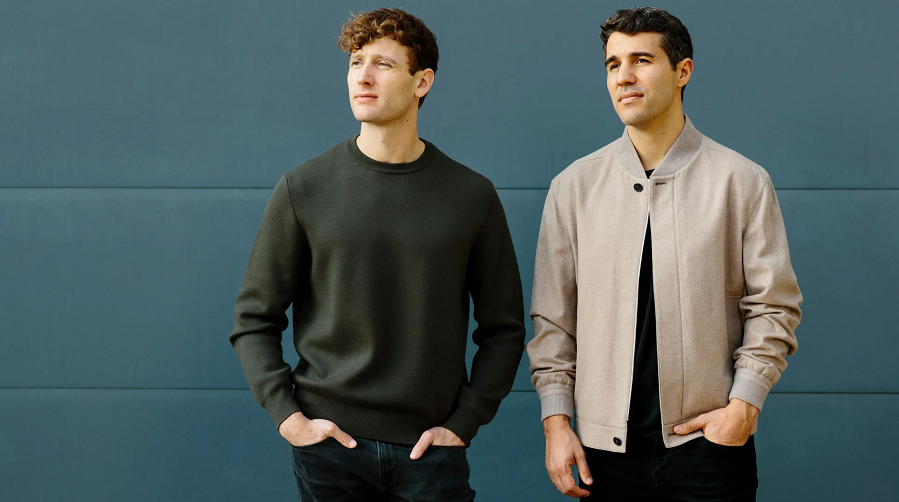
Cursor founder and CEO Michael Truell, now leading teams at SpaceX, responded on X hours after the announcement, claiming OpenAI’s models serve only about 5 percent of Cursor user traffic. Thibault Sottiaux, OpenAI’s head of core products, countered that token usage is not a proxy for revenue or value created and challenged Truell to share the math behind the figure. The exchange highlights the tension between the former partners as they now compete directly in the AI coding market.
OpenAI and Cursor share a long history: OpenAI’s startup fund was an early investor in Cursor’s 2023 seed round, when competing with Microsoft’s GitHub Copilot seemed unlikely. Over time, Cursor’s popularity surged, and Wired previously reported that OpenAI approached Cursor about an acquisition, though talks never advanced. By summer 2025, Truell appeared prominently in OpenAI’s marketing for the launch of its GPT-5 model. The two companies have coexisted as both partners and rivals for over a year, but Musk’s control of Cursor made that arrangement untenable.
OpenAI may have concluded that the partnership posed too great a risk that SpaceX could distill its best AI models, the company noted in its blog post. Earlier this year, Musk appeared to admit during a deposition that xAI, now part of SpaceX, used OpenAI’s models to train its own, a claim that surfaced in his lawsuit against OpenAI. A federal jury dismissed that suit earlier this year. The deposition admission likely reinforced OpenAI’s decision to walk away.
Cursor will continue to offer third-party AI models, as Anthropic cofounder Tom Brown said his company would keep making Claude models available in the coding tool. However, Anthropic’s cooperation may not be purely altruistic, as it depends on Musk’s SpaceX for $45 billion in data center capacity. Anthropic previously cut off the AI coding startup Windsurf when OpenAI was rumored to be acquiring it, with cofounder Jared Kaplan explaining at the time that it would be odd to sell Claude to OpenAI. The shifting alliances underscore how Musk’s growing influence in AI infrastructure is reshaping the competitive landscape for US developers and startups alike.
More AI news from TechManNews.