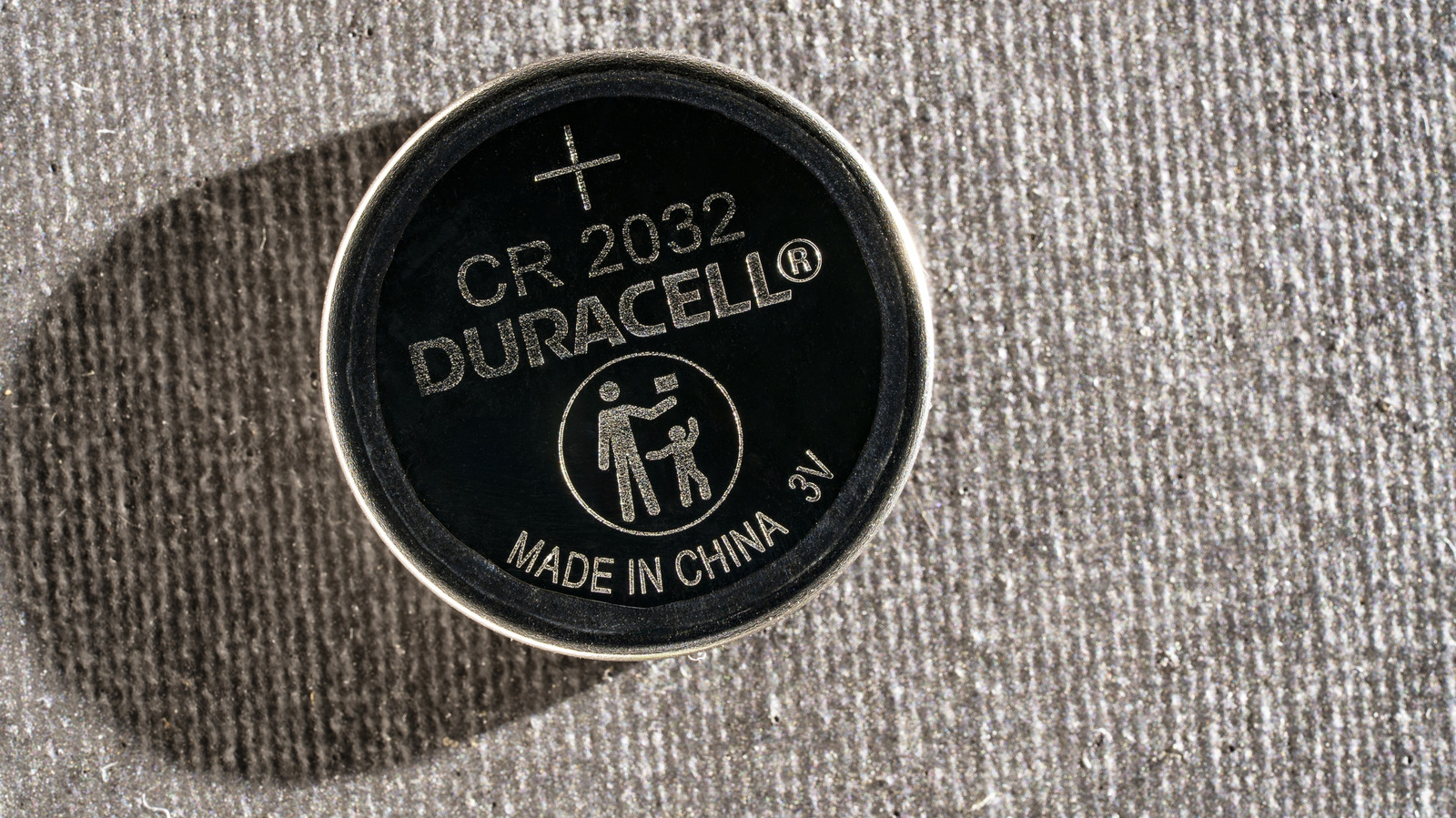
A CR2032 coin cell that appears to be working can still fail under load, which is why hardware experts recommend verifying voltage with a multimeter before assuming a key fob, AirTag, Samsung SmartTag2, or smart home sensor is broken. The 3V lithium batteries, which can last well over a year depending on the device and usage, are the first thing to inspect when gadgets start misbehaving.
The battery itself should be examined before any testing begins. Crusty residue, rust-colored patches, swelling, or leakage are grounds to skip the test and replace the cell outright. The device's contacts also warrant a look, since corrosion there can cause problems even when the battery is healthy.
For voltage testing, a digital multimeter is set to DC voltage, with the black lead in the COM port and the red lead in the V or VΩ port. Meters without automatic range selection should be set above 3V, typically 20V. The battery is held by its edges over a nonconductive surface while the red probe touches the broad face marked with a plus sign and the black probe touches the center of the smaller negative face underneath. Probe tips must not touch each other or bridge the battery's terminals, and a negative reading simply indicates reversed probes.
A fresh CR2032 typically reads around 3V, while a reading nearer 2.5V is a good reason to bring in a replacement. A 3V result should not be overtrusted, however, because a multimeter draws almost no current and a battery can appear fine on the display yet struggle when a key fob or tracker demands power. There is no single pass-or-fail reading for every device, and persistent malfunctions should be met with a fresh CR2032 before the device is blamed.
A dedicated coin-cell tester is another option, with some costing around $10, though certain models only measure voltage rather than performance under load. Basic multimeters can cost less than $20 and are useful for checking other batteries or troubleshooting low-voltage electronics, but buying either solely to diagnose one suspect $3 battery is a harder sell. An LED trick also exists: a small red or yellow LED, which generally needs less voltage to light than blue or white ones, can be touched leg-to-terminal to show the battery can supply some current, though it reveals nothing about remaining life and a dark LED does not necessarily mean a dead battery.
AirTag owners can check Find My before opening anything by selecting Items in the app and tapping the AirTag. A "Low Battery" message or a depleted battery icon means the CR2032 should be replaced without testing. Some CR2032 batteries carry bitterant coatings that may prevent proper contact even when new, and Apple recommends packaging marked "Compatible with Apple AirTag" for replacements. Apple says an AirTag battery lasts more than a year, while Samsung rates the SmartTag2 for up to 500 days in normal mode.
Removed CR2032 cells should be kept out of children's reach and have their terminals taped before being taken to a battery collection facility. Swallowed cells require emergency medical care immediately, as serious internal injuries can occur in as little as two hours.
More hardware news from TechManNews.