The wearable market is being shaped by a tension between convenience and cost on one side, and privacy and value on the other. Recent coverage of smart glasses, audio devices, and AI wearables shows that while these products are becoming more accessible, they also raise persistent questions about data handling and fair pricing that US companies and consumers must confront.
Privacy Becomes a Product Feature
Ray-Ban Meta smart glasses have rightly been criticized for the many ways they can violate people's privacy, as Engadget noted in its recent guide to the device's privacy settings. The very existence of such a guide - walking users through which settings to change before wearing the glasses - signals that privacy is no longer an afterthought but a necessary part of the product experience. For US consumers, this means that buying a wearable now comes with an implicit responsibility to configure it defensively. For US companies, it means that shipping a device without clear, accessible privacy controls invites regulatory scrutiny and consumer backlash. The smart glasses category, which blends fashion with always-on sensors, is particularly exposed because its value proposition depends on capturing and sharing moments. If users cannot trust that their surroundings are not being recorded or transmitted without consent, the product's convenience is undermined. The lesson from the Ray-Ban Meta case is that privacy settings are not a feature to be buried in menus; they are a condition of adoption.
The Economics of Form Factor
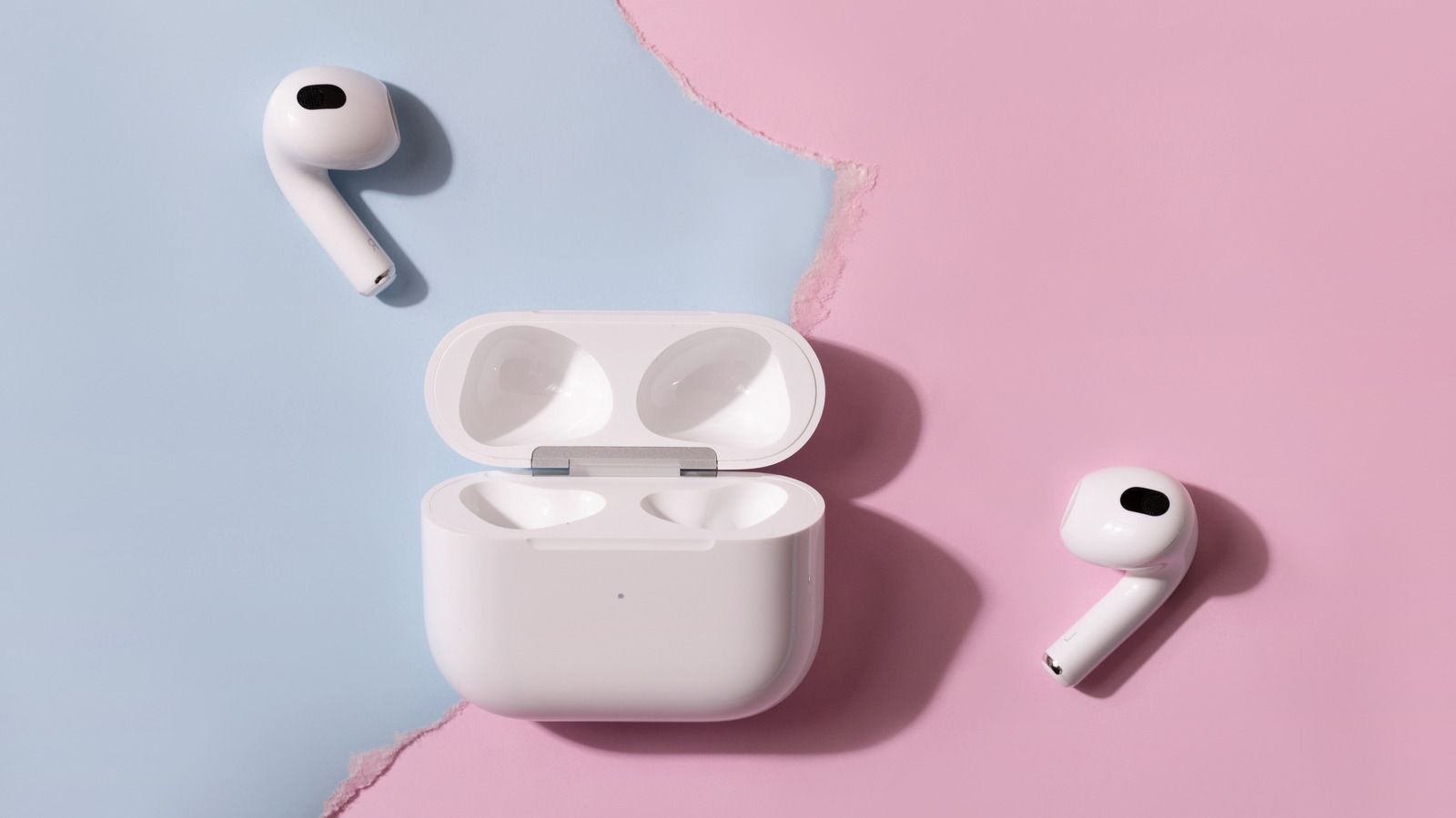
The question of why earbuds are usually cheaper than headphones, as Engadget explored, is not merely a trivia point. It reflects a broader economic logic in wearables: smaller, less complex devices can be produced at lower cost, which in turn makes them more accessible to a wider range of US consumers. This price gap has real consequences for how the market segments. Earbuds become the entry point for wearable audio, while headphones occupy a premium tier. For US technology companies, the ability to offer a low-cost wearable is a strategy for capturing users early and building an ecosystem. But it also raises a question about value: if earbuds are cheaper because they are simpler to build, do they deliver proportionally less utility, or do they simply represent a more efficient use of materials and engineering? The answer matters for consumers who are weighing price against performance. It also matters for companies that must justify premium pricing for headphones when earbuds can satisfy many of the same needs. The cost difference is not just a manufacturing detail; it is a signal about where innovation and margin reside in the wearables stack.
AI Wearables and the Hype Cycle
The hottest AI wearables and gadgets, as compiled by TechCrunch, include devices such as Muse Charm, Bee, Friend, and Plaud. The presence of these products on a watch list indicates that AI is being woven into wearables in ways that go beyond simple sensors. These are not just fitness trackers or audio players; they are devices that promise to augment memory, communication, or daily tasks through artificial intelligence. For US consumers, the appeal is clear: wearables that can anticipate needs or provide contextual assistance. For US companies, the challenge is to deliver on that promise without overpromising. The hype cycle for AI wearables is real, and the risk is that early products will be judged against inflated expectations. The TechCrunch list itself is a neutral compilation, not an endorsement, but its existence shows that the market is crowded with experimentation. The winners will be those that solve a specific problem reliably, rather than those that simply attach AI to a wearable form factor. The US market, with its high smartphone penetration and appetite for productivity tools, is a natural testbed for these devices. But consumers are also increasingly wary of devices that collect data without clear benefit. The AI wearable category therefore sits at the intersection of the privacy concerns raised by smart glasses and the cost-value calculations raised by audio devices.