The Software We Forget Still Runs the World
Article

The Software We Forget Still Runs the World

Four unrelated stories share one theme: abandoned apps, dormant code, and small leaks carry more weight than the shiny features vendors promote.

JaysuryaOctober 24, 20265 min read

Photo: TechCrunch

The most consequential software news this week is not about new features. It is about the software nobody is watching anymore: abandoned apps still installed on millions of devices, dormant Windows services quietly consuming a gaming PC's headroom, a creative new platform's first wave of apps, and a single codename spoken out loud. The common thread is that technology's real leverage now sits in the unglamorous, half-forgotten layer of deployed software, while the attention of users and the press stays fixed on the layer vendors are marketing.

Abandoned Software Never Really Leaves

The Popcorn Time story is the sharpest illustration. As The Verge reported, development of the app, once an easy front end for streaming torrents of movies and TV shows, has been abandoned for years, yet the software is still installed on millions of devices. Those installs had to be disabled to prevent them from being conscripted into a botnet, a zombie army built from code no one maintains.

This is the defining maintenance problem of the current software era. Distribution is cheap and permanent; retirement is neither. An app can outlive its developers, its business model, and the attention of anyone who once cared about it, and still sit on a device with whatever permissions the user granted years ago. When that app has network access and auto-update behavior, it becomes latent capacity that someone else can claim. The Popcorn Time episode reframes piracy apps less as a content problem than as an unmanaged endpoint problem, and for US firms that issue or support consumer devices, the population of orphaned installs is a standing exposure they do not inventory and rarely measure.

The Hidden Tax on Ordinary Machines

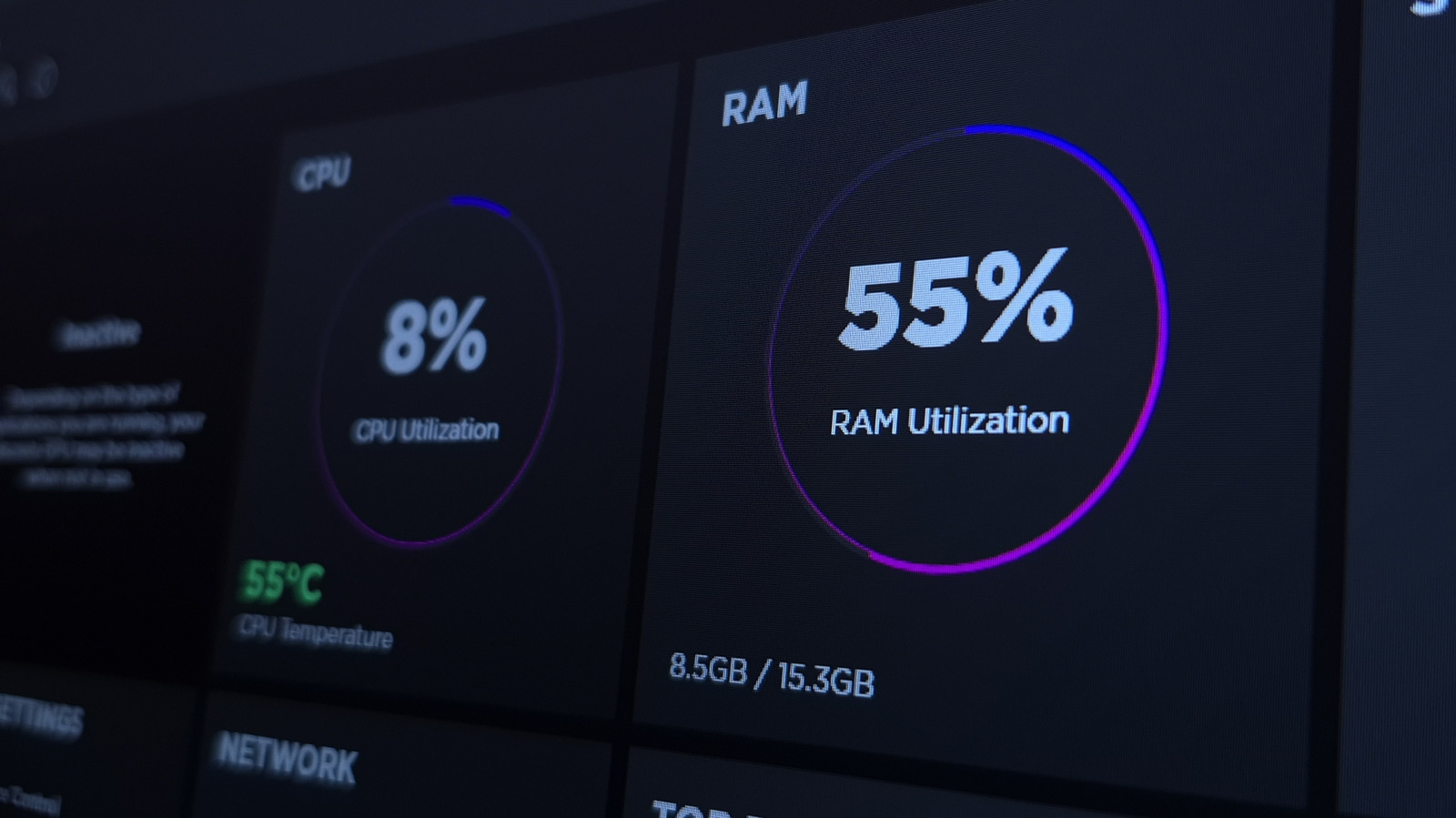
Engadget's piece on which Windows services can safely be disabled to improve PC gaming makes a quieter version of the same point. Much of what Windows does out of the box is not essential, and it can waste a computer's power while a user is trying to game.

That is a description of default software behavior overriding the user's actual intent. The burden falls on the user to discover which background services are dispensable, an odd arrangement for a mass-market platform. For US PC buyers, particularly the gaming audience that spends heavily on hardware, the practical result is that performance is partly a matter of configuration literacy. Consumers without that literacy pay for capacity they never receive. This is also a competitive opening: any vendor that ships a leaner, more legible default state can claim real performance gains without changing a single component.

New Hardware, Familiar Apps

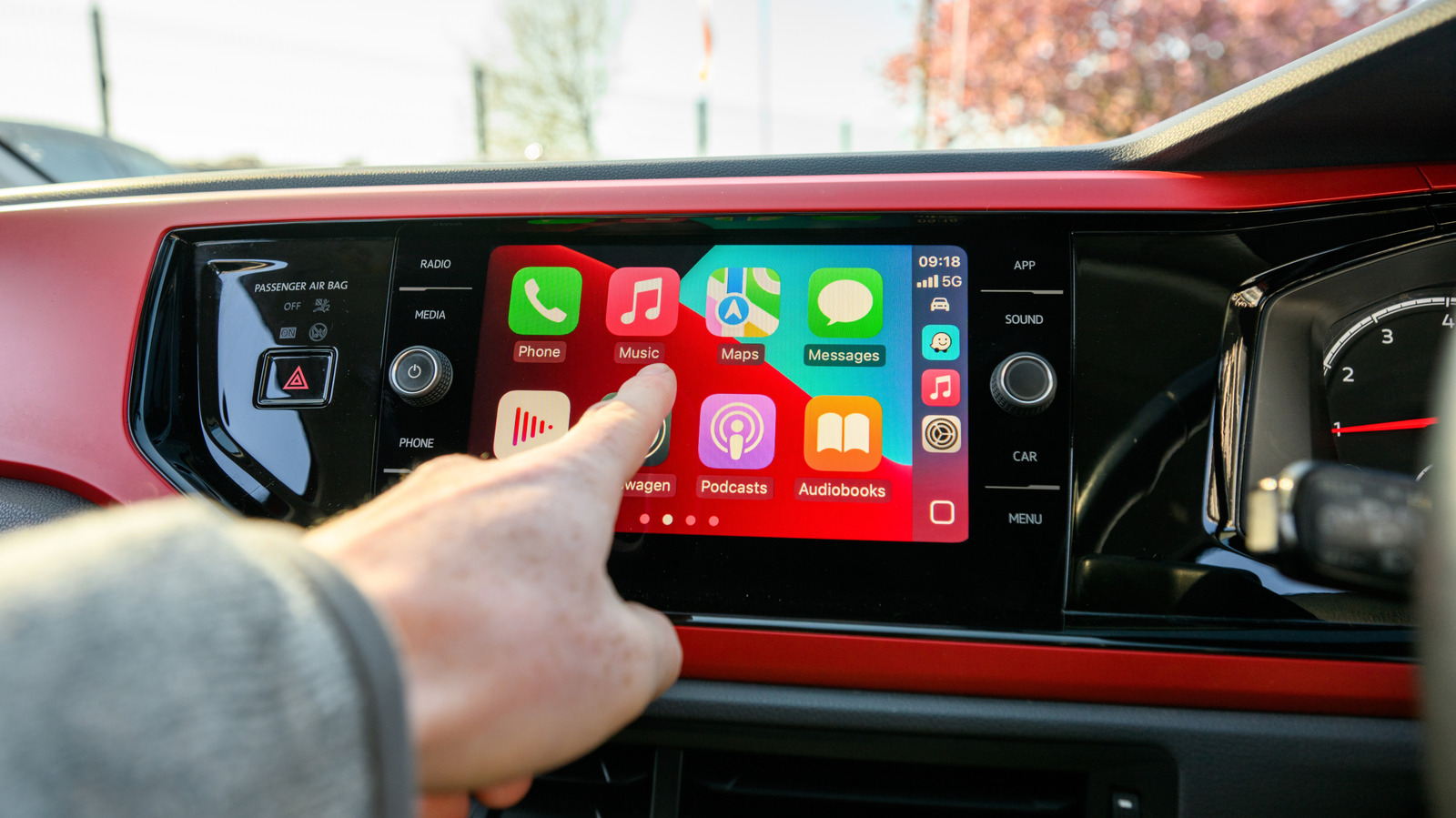
TechCrunch's survey of apps for the iPhone Duo, Apple's first foldable iPhone, runs from retro cassette players and virtual notebooks to flight trackers and a digital toaster. The detail worth noticing is the phrase the outlet used: developers finding creative ways to take advantage of the device.

That is the standard script for a new form factor. Novel hardware is justified by software that exploits it, and early apps tend to be playful demonstrations before they become serious tools. The interesting question is not whether a foldable can host a toaster simulator, but whether the first wave of apps represents durable demand or novelty that decays once the hardware stops being new. For US developers, Apple's entry into foldables creates a fresh surface to design for and a fresh reason to maintain two layout assumptions in the same codebase. For US consumers, the practical value arrives only when useful apps, not charming ones, adapt to the shape.

Small Signals, Outsized Attention

Ars Technica reported that a Valve sound designer let a Half-Life-related codename, HLX, slip at a conference, and that this was enough to set off alarm. A single spoken word, with no product, date, or specification attached, became news.

That reaction is not irrational; it is a rational response to deliberate scarcity. When a company says almost nothing, any signal becomes information, and the cost of interpreting it wrongly is low for the audience. For US platform and game companies, the lesson cuts both ways. Silence manufactures attention, but it also cedes the narrative to whoever notices the smallest detail. A codename mentioned in public travels further than most official announcements.

Where the Attention Gap Bites

Put these together and the pattern is a mismatch between where risk and value accumulate and where scrutiny lands. The Popcorn Time installs are invisible until they are a botnet. The Windows services are invisible until a frame rate drops. The foldable's app ecosystem is visible and therefore covered as novelty. The codename is visible precisely because it is a fragment.

For US technology companies, the exposure is concentrated in the maintenance layer: software they shipped and stopped thinking about, defaults they set and never revisited, and platforms whose installed base outlasts the team that built it. Abandoned software on millions of devices is not a legacy footnote; it is live infrastructure with unknown ownership. That is a security question, a support-cost question, and increasingly a liability question. Meanwhile, competitive differentiation is migrating toward the unexciting work of default configuration and long-term stewardship, which generates no keynote moments and therefore no press.

For US consumers, the implication is simpler and less comfortable. The devices and software already owned carry more practical consequence than the devices being announced, and the responsibility for managing that consequence has largely been handed to them. Deciding which services to disable and which old apps to remove is now part of using a computer, not an advanced hobby.

What to Watch

The stories point to concrete things to monitor. Watch whether disabling abandoned apps like the Popcorn Time installs becomes a routine platform function rather than a one-off intervention, since The Verge's report shows the population exists and is large. Watch whether Microsoft makes any move to reduce the set of default Windows services Engadget identified as non-essential, which would shift the burden off users. Watch the iPhone Duo app catalog as it matures past the cassette-player stage to see whether foldable-specific software becomes useful or stays decorative. And watch whether the HLX slip produces anything concrete from Valve, or remains the kind of fragment that generates attention precisely because nothing follows it.

The through line is that the software already deployed keeps setting the terms, whether or not anyone is still paying attention to it.

More on this beat: Software on TechManNews.

#software maintenance#security#consumer devices#platforms#gaming

Newsletter

Get Tech News in Your Inbox

The latest AI, gadgets, software and startup stories from TechManNews, delivered every morning - free.