Three hardware stories from the past two days look unrelated: a ray tracing anniversary, a fruit fly brain mining Bitcoin, and a debate over wireless charging. The thread running through them is that the era of easy silicon scaling is over, and the industry's response has been to lean on marketing, biology, and physics in place of the transistor gains it can no longer reliably deliver.
Eight Years of Ray Tracing, and the Bill Comes Due
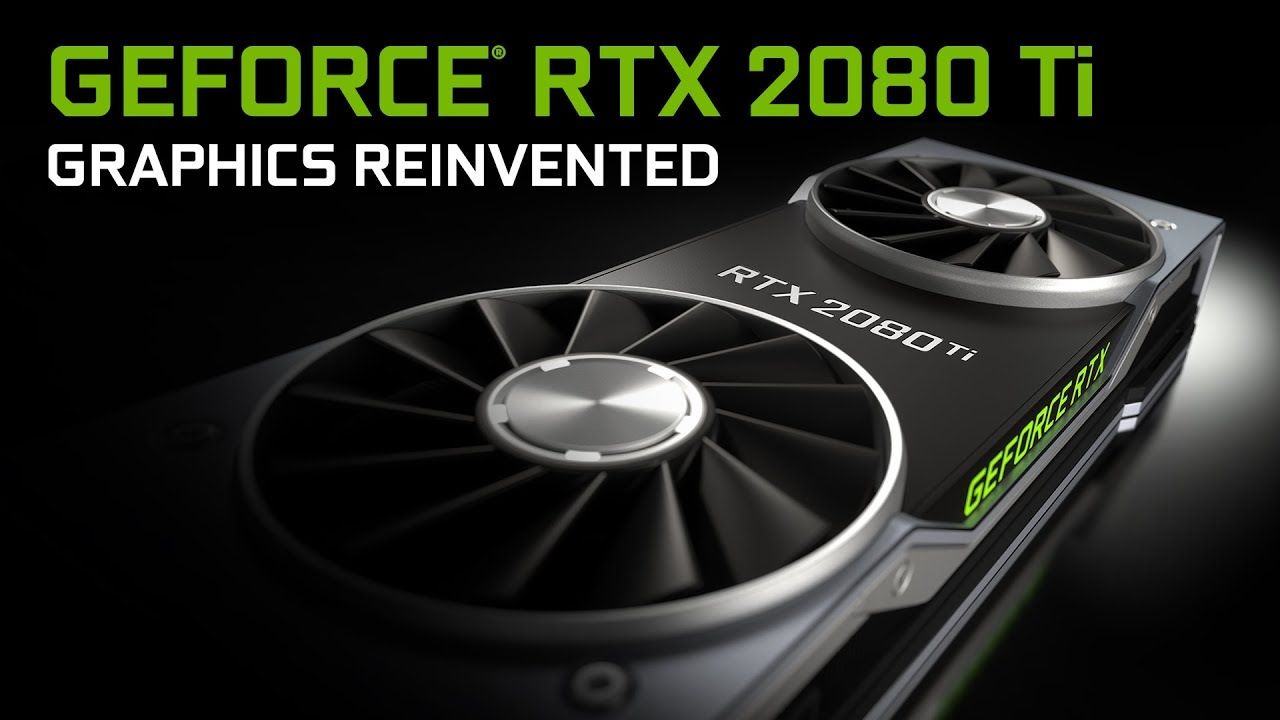
On this day in 2018, Nvidia's Turing GPU became available to enthusiasts for the first time, with the GeForce RTX 2080 and 2080 Ti leading the charge, as Tom's Hardware notes. Ray tracing was the pitch. The games were thin on the ground. Eight years later, that mismatch is the defining feature of the modern GPU market rather than a launch-window hiccup. The hardware arrived before the software, and the software has never fully caught up to the promise that justified the premium.
For US consumers, the practical consequence is that each GPU generation has been sold on capability rather than delivered experience. American buyers paying flagship prices have been purchasing headroom for workloads that may or may not arrive. That is a different bargain than the one that held through the 2000s and early 2010s, when a new card made existing games visibly better on day one. The Turing anniversary is not really a celebration of ray tracing. It is a marker for when the industry began asking customers to fund a roadmap rather than a product.
When the Transistor Stops Cooperating
The reason ray tracing arrived before the games is not laziness on the part of developers. It is that the underlying gains that used to make each generation self-evidently worthwhile have slowed. Dennard scaling ended years ago, and the cost and difficulty of each new node has climbed steadily since. That is why Nvidia's answer to a slowing silicon curve was a new workload rather than simply more frames per second.
The same pressure explains why the industry is now openly discussing alternatives that would have sounded absurd a decade ago. When the best available silicon is a 3nm ASIC, and someone is seriously proposing that a biological system could beat it, the conversation has moved. That is not a comment on the merits of any particular project. It is a comment on how much room is left in the conventional direction.
A Fruit Fly Brain as a Mining Rig
The clearest evidence of the search for a new substrate came this week, when a project claiming to represent the first organic neuron Bitcoin miner based on the fly brain went live, as Tom's Hardware reported. Google's simulated fruit fly brain was used to mine Bitcoin in a web browser as a proof of concept. FutureBit, the outfit behind it, said a real organic neuron miner could have ten times the efficiency of the best silicon 3nm ASICs.
That claim should be treated with the caution any efficiency multiple deserves when it comes from the party proposing the concept. But the direction of travel matters more than the number. A simulated brain running in a browser is not a product and may never become one. What it demonstrates is that credible people are now spending time on biological compute as a serious alternative to scaling silicon further. Bitcoin mining is the natural first testbed because it is a pure efficiency contest with a single, easily measured output.
For US technology companies, the implication is uncomfortable. If biological or hybrid compute ever becomes competitive for even narrow workloads, the advantage shifts away from the firms that have spent two decades optimizing fabs and toward whoever can cultivate neurons at scale. That is a different supply chain, a different talent base, and a different regulatory environment. It is also, notably, not something the current US semiconductor investment framework is set up to address.