The Real Wearables Story Is Ownership, Not Hardware

Photo: Engadget

Article

The Real Wearables Story Is Ownership, Not Hardware

Coverage of AirPods resale, free Apple Watch apps and battery health points to one theme: the cost and risk of owning wearables now sits in the ecosystem, not the box.

BhavyaNovember 21, 20265 min read

The through-line in recent wearables coverage is that the device is no longer the whole purchase. What consumers actually own is a bundle of resale risk, software access and battery condition, and each of those can cost or save more than the hardware choice itself. The practical question for US buyers has shifted from which product to buy to how safely and cheaply it can be owned over time.

The Used Market Carries Hidden Risk

Engadget's warning about deep discounts on used Apple AirPods is the clearest example of a pattern that runs across the wearables beat. The appeal of a steep discount on secondhand earbuds is obvious, but the reporting frames the risks as ones most sellers never mention. That framing matters because it moves the discussion away from sticker price and toward what a buyer cannot see at the point of sale. A used pair of earbuds is a small, sealed, battery-containing device whose history is largely invisible to the person handing over money.

The consequence for US consumers is that the cheapest visible price is not necessarily the lowest total cost. Engadget's piece does not stop at warning about used units; it also points buyers toward smarter ways to save on a brand new pair. That is a notable editorial position. Rather than treating the resale market as a straightforward alternative, the advice treats new-purchase savings as the safer route to the same goal. For a product category where fit, hygiene and battery wear are hard to assess secondhand, that is a reasonable posture, and it suggests the used-wearables market will struggle to earn mainstream trust on price alone.

For US technology companies, the implication is that resale is both an opportunity and a liability. A vigorous secondhand market can extend a product's reach to price-sensitive buyers, but it can also generate dissatisfaction that attaches to the brand rather than the seller. Firms that make trade-in and refurbishment programs legible to consumers have a chance to capture that demand with clearer assurances. Firms that leave the secondary market informal cede the customer experience to strangers.

Software Is Where Value Accumulates

Engadget's roundup of five excellent free Apple Watch apps makes a related point from the opposite direction. The framing is that owners can enjoy great Apple Watch apps without paying for a subscription. That is not merely a list of recommendations; it is a statement about where the wearable's usefulness actually comes from. A watch is a container, and the software inside it determines whether the device earns its place on a wrist.

The emphasis on free is the telling part. Subscriptions have become a familiar way to extract ongoing revenue from wearable owners, and a roundup organized around avoiding them reflects a real consumer sensitivity. US buyers have shown repeatedly that they will resist recurring charges layered on top of hardware they already paid for. Coverage that highlights capable free options validates that resistance and puts pressure on developers to justify subscription pricing with clear ongoing value.

This connects directly to the ownership thread. If the best experience on a watch can be assembled from free apps, then the effective cost of ownership is lower than the hardware price suggests, and the device becomes easier to recommend. If the meaningful functionality sits behind subscriptions, the true cost climbs every month. Either way, the decision that determines satisfaction happens after the purchase, in the software layer.

Battery Health Is the Ownership Clock

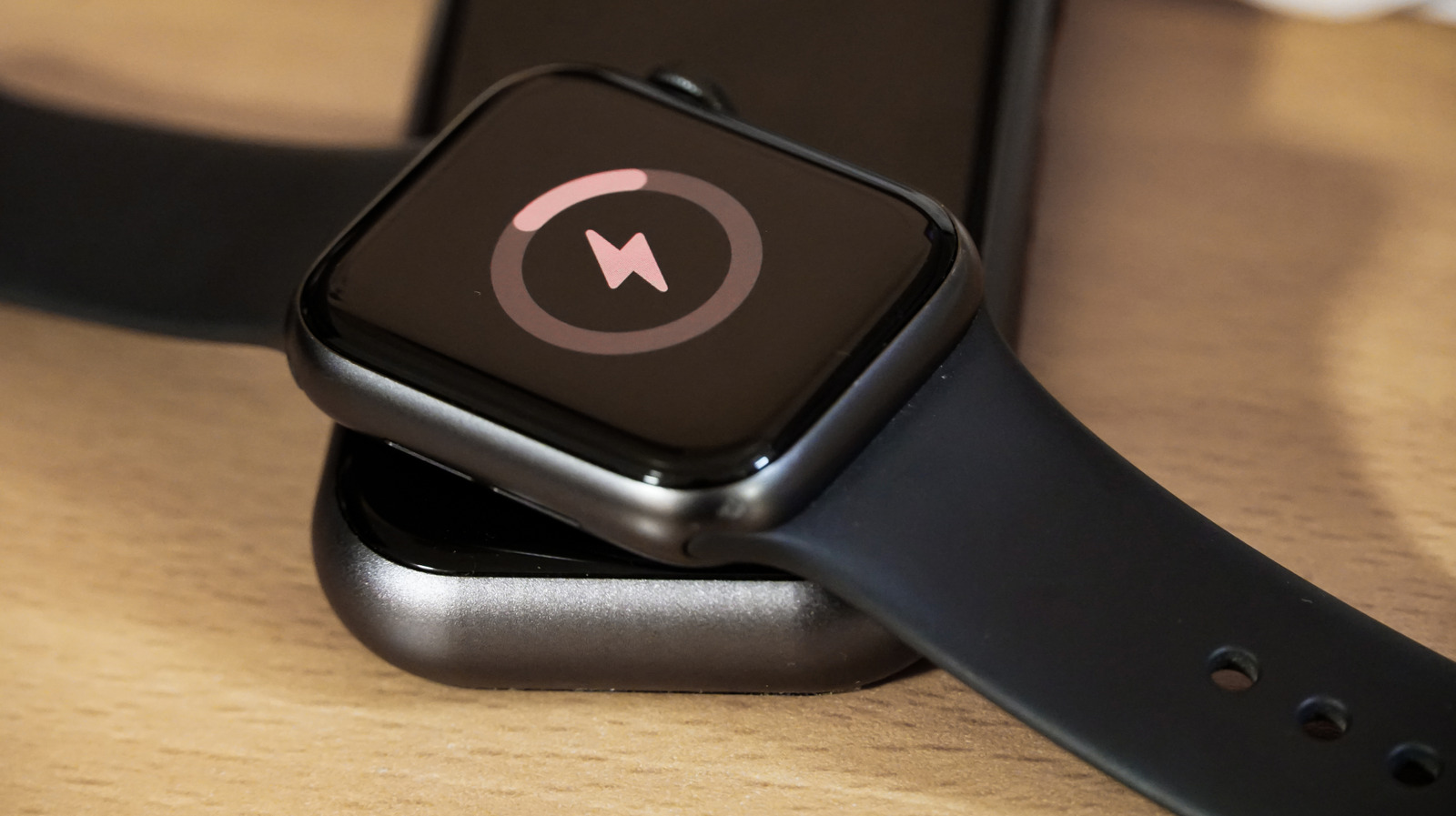
Engadget's guidance on checking Apple Watch battery health completes the pattern. The reporting notes that the watch's battery life is impressive but that owners need to monitor battery health to keep it working at its best. This is the physical counterpart to the software question: a wearable's useful life is bounded by a component the user cannot easily inspect or replace.

Battery condition ties the other two threads together. It is the central anxiety in buying used earbuds, where degraded cells are one of the risks sellers do not mention. It is also the reason a watch owner might seek out efficient free apps rather than power-hungry paid ones. And it is the variable that determines how long any wearable remains worth owning. Encouraging owners to check health is, in effect, encouraging them to manage an asset rather than merely use a product.

For US consumers, this argues for treating battery condition as a headline specification rather than a footnote. For US technology companies, it argues for transparency. A brand that makes battery health easy to read and easy to act on builds trust that carries into resale value and repeat purchases. A brand that obscures it invites the kind of suspicion that Engadget's used-AirPods warning describes.

What This Means for the US Market

The three stories, taken together, describe a market where the hardware is mature and the friction has migrated elsewhere. Discounts on used earbuds are risky, free apps can carry a watch's value, and battery health quietly sets the lifespan of both. None of these are product-launch stories, and that is precisely the point. The wearables beat is increasingly about the terms of ownership rather than the specifications of a new device.

That has competitive consequences. US companies that compete on hardware alone are competing on the least contested ground. The differentiation now sits in refurbishment credibility, in software that delivers value without leaning entirely on subscriptions, and in giving owners clear visibility into the condition of their devices. Each of those is a trust signal, and trust is what determines whether a customer buys the next generation from the same brand.

There is also a consumer-protection dimension that US buyers should expect to hear more about. When the dominant risks in a category are invisible at the point of sale, the burden falls on buyers to inform themselves. Engadget's coverage effectively does that work, but it also shows how much of the wearables experience depends on information the industry does not always surface clearly.

What to Watch

The stories point to specific things worth tracking. Watch whether coverage of used earbuds continues to steer buyers toward new-purchase savings, as Engadget's piece does, and whether that shapes how US shoppers treat secondhand wearables. Watch how app roundups frame free versus subscription options, since that framing signals where developers are expected to earn. And watch for more guidance on battery health checks, because owner awareness of battery condition is the clearest leading indicator that wearables are being managed as long-term assets rather than disposable accessories. The thread running through all three is ownership, and that is where the next round of consumer and company decisions will be made.

More on this beat: Gadgets on TechManNews.

#wearables#Apple Watch#AirPods#battery health#consumer tech#resale market

Newsletter

Get Tech News in Your Inbox

The latest AI, gadgets, software and startup stories from TechManNews, delivered every morning - free.